Why your mat is failing you.
Hot climate yoga needs a specific type of mat. Here's what to look for, based on our testing. Based on our hands-on product testing and feedback from 200+ yoga practitioners across the everyday.
You sweat through your practice. Your hands slide. Your feet slip. You blame your technique. The mat is the problem.
Which material is better for hot climates?
PVC mats are cheap, but they get slippery when wet. They also smell like a chemical factory when you unroll them. Natural rubber does the opposite — it grips better when damp, and it has almost no smell.
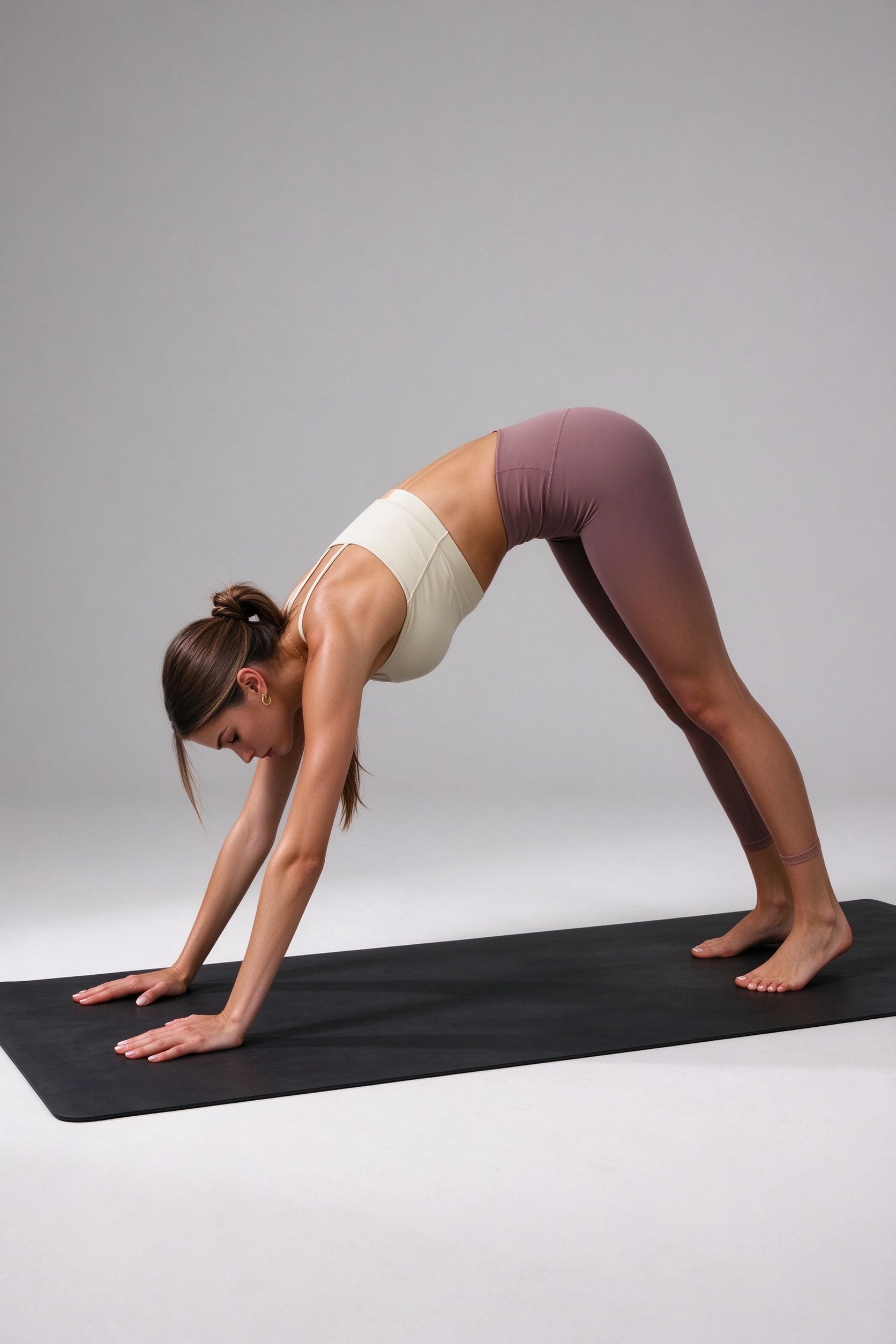
How do mats perform in the climate test?
Put a drop of water on your mat. If your hand slides across it, you're practicing on the wrong surface. Natural rubber actually increases friction when wet — that's why hot yoga studios use it exclusively.
What thickness is best for hot climate yoga?
Too thin and your knees hurt. Too thick and your balance poses feel unstable. 5mm is the sweet spot — cushioned enough for kneeling poses, firm enough for standing balance.
Shop Mats
Shop the Collection